In 2025, Better Work’s country programmes faced real pressure. Volatile trading conditions, political instability and tightening margins required the programme to be agile and strategic in its responses. Grounded in our belief that all workers have the right to fair, safe and respectful working environments, we worked hard to improve working conditions and strengthen supply chain resilience.
But perhaps the bigger story is how, with the support of the ILO and the IFC, we used our understanding of factories and industry dynamics to empower others with the knowledge, systems, and capacity to carry the work into new arenas.
As you will read, in Cambodia, digital wage payments reached 80 per cent of registered factories and more than 650,000 workers, up from 50 per cent in 2022. In Indonesia, a national labour law compilation platform built on our compilation now directly serves more than 68,000 users. In Ethiopia, evidence from our factories helped shape a new national occupational safety and health directive.
The progress reflected in these highlights is the result of the collective effort of our partners. Governments, employers’ and workers’ organizations, international brands, factories, development partners and national institutions – all played a role. For those who contributed in 2025, thank you.
Together, we continue to demonstrate that lasting change is built on collective action and a shared commitment to decent work, more competitive businesses and better lives.
Roopa Nair
Chief, Better Work
Better Work is a comprehensive programme bringing together all levels of the garment industry to improve working conditions, respect of workers’ labour rights and boost the competitiveness of apparel and footwear businesses.
An apparel sector that has lifted millions of people out of poverty and reduced its environmental impacts by creating safe and decent jobs in sustainable enterprises that empower women and in which workers and employers can exercise their fundamental rights.
““The ILO-BFC not only contributes to the promotion of labour compliance in the garment, footwear, and travel goods and bag sectors in Cambodia, in line with the internationally recognized core labour standards of the International Labour Organization, but also enjoys recognition and trust from employees, workers, employers, and international brands sourcing from Cambodia.”
H.E. Heng Sour
Minister of Labour and Vocational Training of Cambodia

Countries

Factories

Workers

Brands and retailers*

Years of promoting decent work in the global garment industry
* As of the end of 2025
A partnership between the UN’s International Labour Organization and the International Finance Corporation, a member of the World Bank Group, Better Work brings together governments, employers’ and workers’ organizations, global brands, factory owners, and workers to promote decent work and competitiveness.
It starts with factories. We want these firms to adhere to international labour standards and national labour laws, because we believe that everyone – workers, employers, brands, retailers and consumers – benefits when this is the case. We regularly assess the issues factories face and we focus on capacity building, training and sharing our skills and knowledge with factory management and workers to sustain improvements themselves, changing attitudes as well as behaviour.
At the sectoral level, we use the data we gain from our factory work to promote dialogue and share understanding with unions, employers’ organizations and governments.
We take these lessons to policymakers, and development partners to inform policy creation and reforms to promote better jobs, inclusive growth and sustainable improvements in supply chains.

Leverage supply chain and trade incentives and partnerships, and inform debates on trade, investment and responsible business conduct.

In tandem with different ILO units, contribute data and evidence to inform labour law reform and strengthen national institutions.

Promote and facilitate evidence-based dialogue.

Assess and improve compliance and working conditions, and generate enterprise-level data for wider reforms.
Private-sector funding is expected to finance around 42% of Better Work expenditure across 2022–2027, reflecting Better Work’s model of shared investment by industry, governments and development partners in improving working conditions.
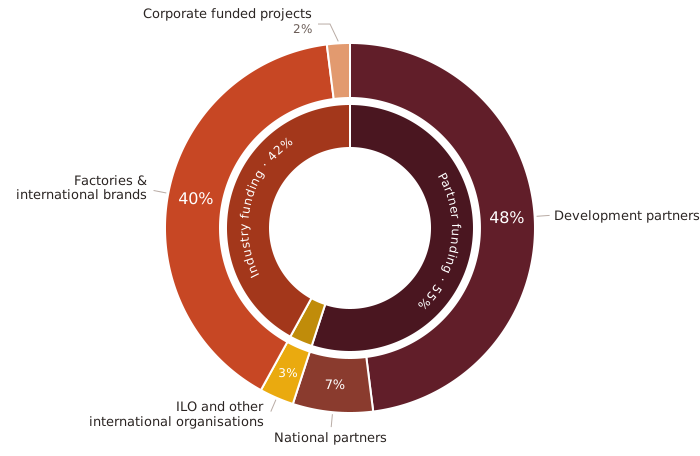
Strategic phase: June 2022–June 2027. Figures include actual and projected expenditure.
Our work reflects our future vision for the global garment industry – and beyond – to create long-term, progressive change for workers and businesses that can be managed outside of the immediate scope of Better Work.

The Factory Engagement Model is at the heart of Better Work’s work with factories, helping them understand and apply national labour laws and the principles of international labour standards. Broader efforts at sectoral, national and global levels helps build capacity and create the conditions for lasting change. Targeted initiatives complement this core approach, responding to specific country needs and industry challenges to deepen and sustain impact.

The Factory Ambassador Programme develops capacities of factory staff, such as compliance officers, HR personnel and worker representatives, to take greater ownership of factory improvements. Ambassadors receive coaching and practical training to strengthen their skills and apply Better Work tools, enabling them to identify issues and support long‑lasting improvements.
The Gender Equality and Returns Programme (GEAR) is a joint IFC–ILO initiative delivered across several country programmes within Better Work’s training and advisory services, promoting career progression opportunities for women workers through training on soft skills and technical productivity skills, so that they can progress into supervisory roles and be well-equipped to contribute to increased line-level productivity.

The Better Work Academy is a capacity‑building programme to equip brands and manufacturing groups to apply Better Work approaches through blended learning, coaching and factory shadowing. Rather than relying only on Better Work expertise, the Academy builds the capacity of partners to apply and share Better Work methods across factories, supply chains and countries outside the programme. The Academy methodology has now expanded to build the capacity of constituents and other actors.

Through targeted country-specific initiatives, Better Work also strengthens the knowledge, skills and capacity of workers’ and employers’ organizations to build stronger labour market institutions and creates the conditions for lasting improvements beyond individual factories. In Viet Nam, national employers’ organizations are increasingly supporting their members using Better Work approaches and tools, demonstrating growing local ownership of programme approaches.
Better Work periodically commissions independent impact assessments to test whether its model is working. The most comprehensive to date covered 15,000 workers and 2,000 managers across programme countries.
Increased productivity in factories by up to
Reduced sexual harassment concerns by
Increased profitability in factories by up to
Decreased pay gap between women and men by up to
These figures show that improving working conditions and improving business performance are not competing goals. Factories that invest in compliance, worker voice and fair treatment see measurable gains in productivity and profitability. For brands, that means a more stable, reliable supply base. For workers, it means better pay, safer conditions and more respect for rights at work. For governments and development partners, it demonstrates that stronger labour standards and more competitive industries can go hand in hand, reinforcing the link between decent work, responsible trade and sustainable economic growth.
Through targeted engagement, encouraging stronger national ownership at both factory and national level, and smarter use of resources, Better Work country programmes accelerated transition planning, equipping others with the capacity to continue progress on improving working conditions and business competitiveness.
Through targeted engagement, encouraging stronger national ownership at both factory and national level, and smarter use of resources, Better Work country programmes accelerated transition planning, equipping others with the capacity to continue progress on improving working conditions and business competitiveness.
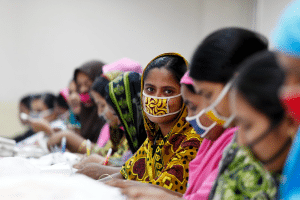
Better Work’s factory work needs the support of brands. Long standing brand and retailer partnerships act to connect factory-level compliance with industry and international standards and expectations. Committed brands are part of the conversation including through the Better Work Forum for its brand partners and their engagement drives change. In Cambodia, a joint initiative convened government, buyers and worker representatives on sustainability and responsible business practices.
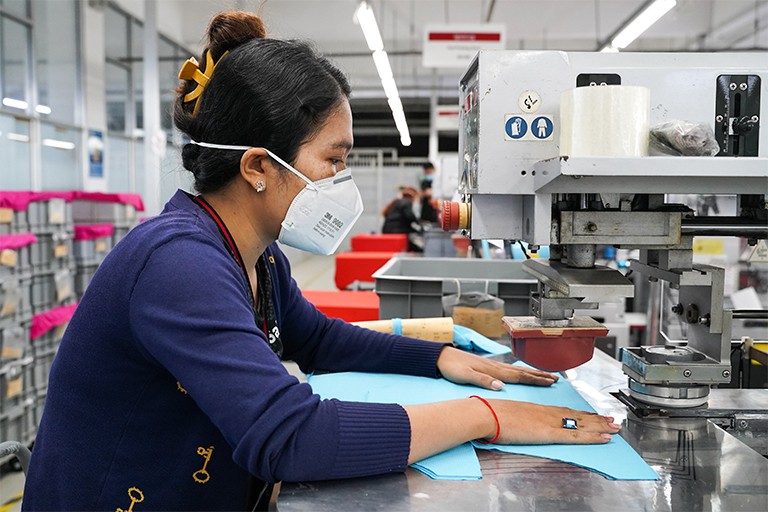
Good labour laws only make a difference when they can be understood and applied in practice. In Indonesia, Better Work compiled a Labour Law Guidelines platform, reaching more than 68,000 users with practical, multilingual labour law guidance. The programme also contributed garment-sector insights to update Fixed-Term Employment Contract guidance, helping make complex labour regulations clearer and easier to apply for factories, labour inspectors and workers.
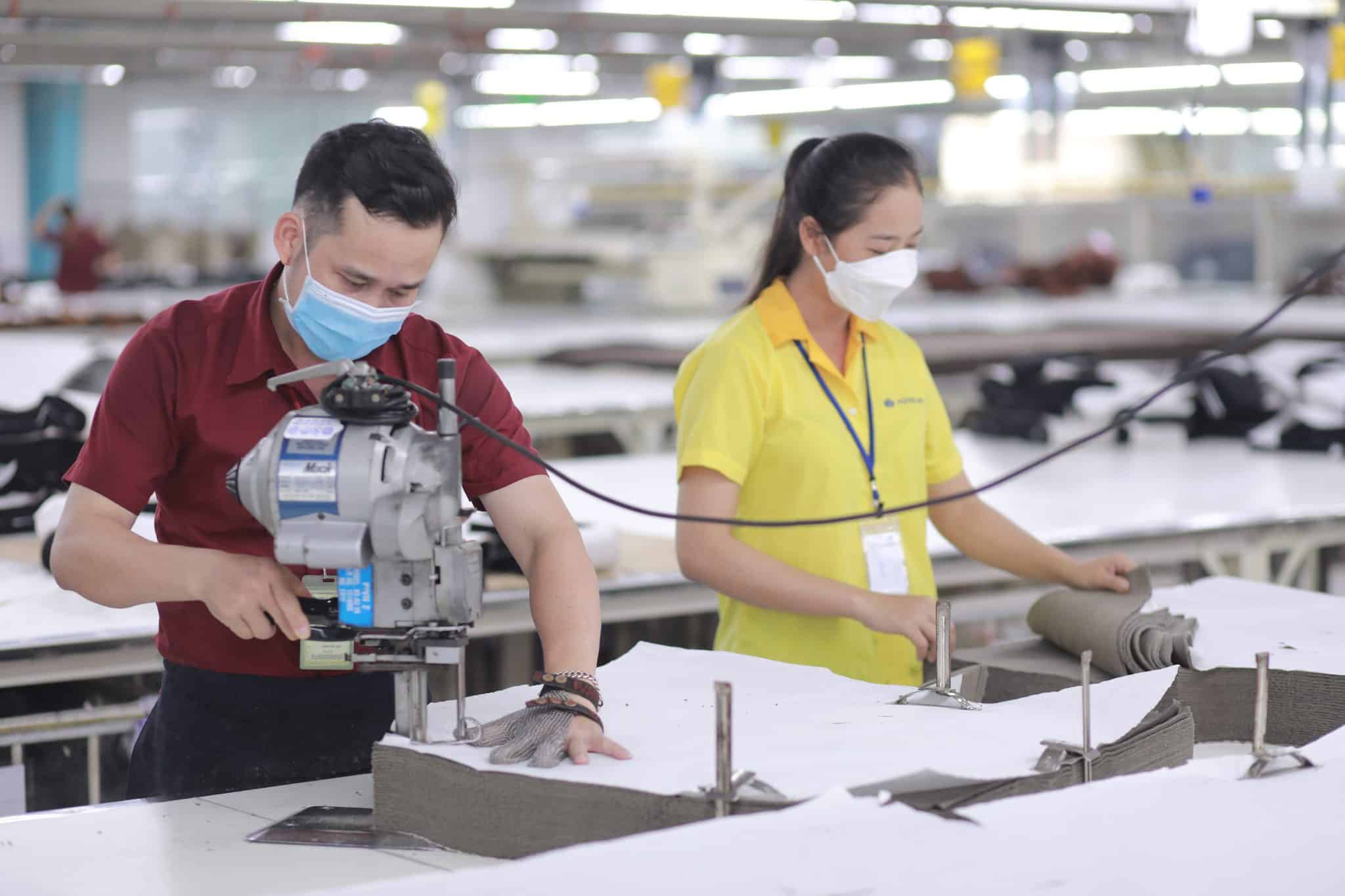
To be effective, grievance and remedy systems must connect factory-level processes with wider sectoral and national responses. Better Work piloted a grievance mechanism programme to strengthen supplier-level remediation, helping factories build more effective grievance systems. In Bangladesh and Cambodia, improved access to justice mechanisms saw gains in workplace complaint handling. Mapping and guidance work clarified the flow of workplace complaints and rights issues to the institutions best placed to address them. This topic also, among other, forms part of a wider ILO effort to strengthen grievance mechanisms and access to remedy.
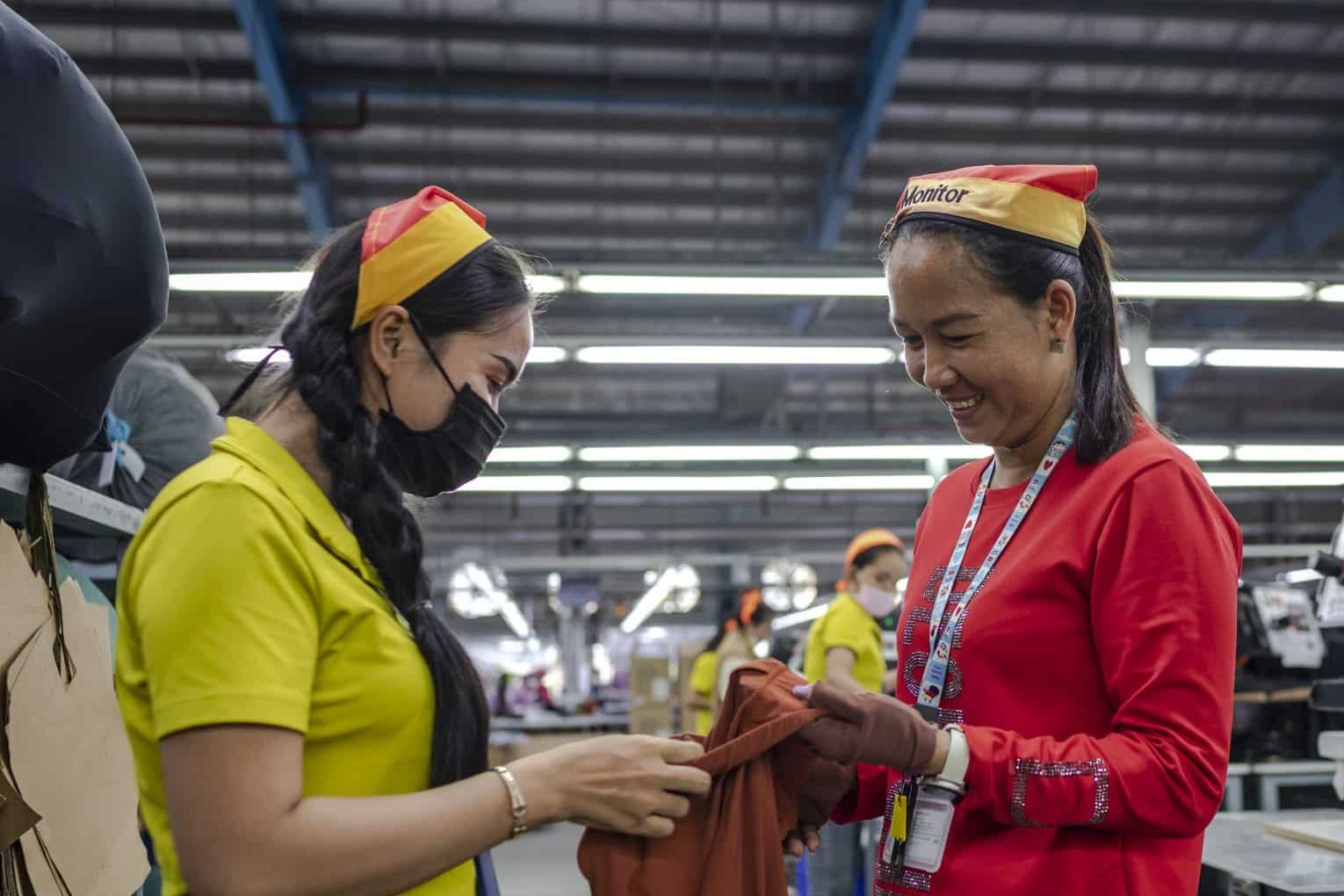
Better Work’s factory data, intelligence, and learning informed better labour policy and enforcement. In 2025, this included using factory temperature data in Cambodia that informed emerging OSH regulations, evidence from Ethiopian factories fed into the new national OSH directive and updated occupational disease list, and research on heat stress impacts with Cornell University in Bangladesh. Better Work also advanced collaboration with buyers and industry stakeholders to embed national labour laws consistently in industry tools and approaches, strengthening compliance and due diligence efforts. Together, these examples show how Better Work’s factory knowledge can generate intelligence for stronger labour policy, compliance, and national institutions.
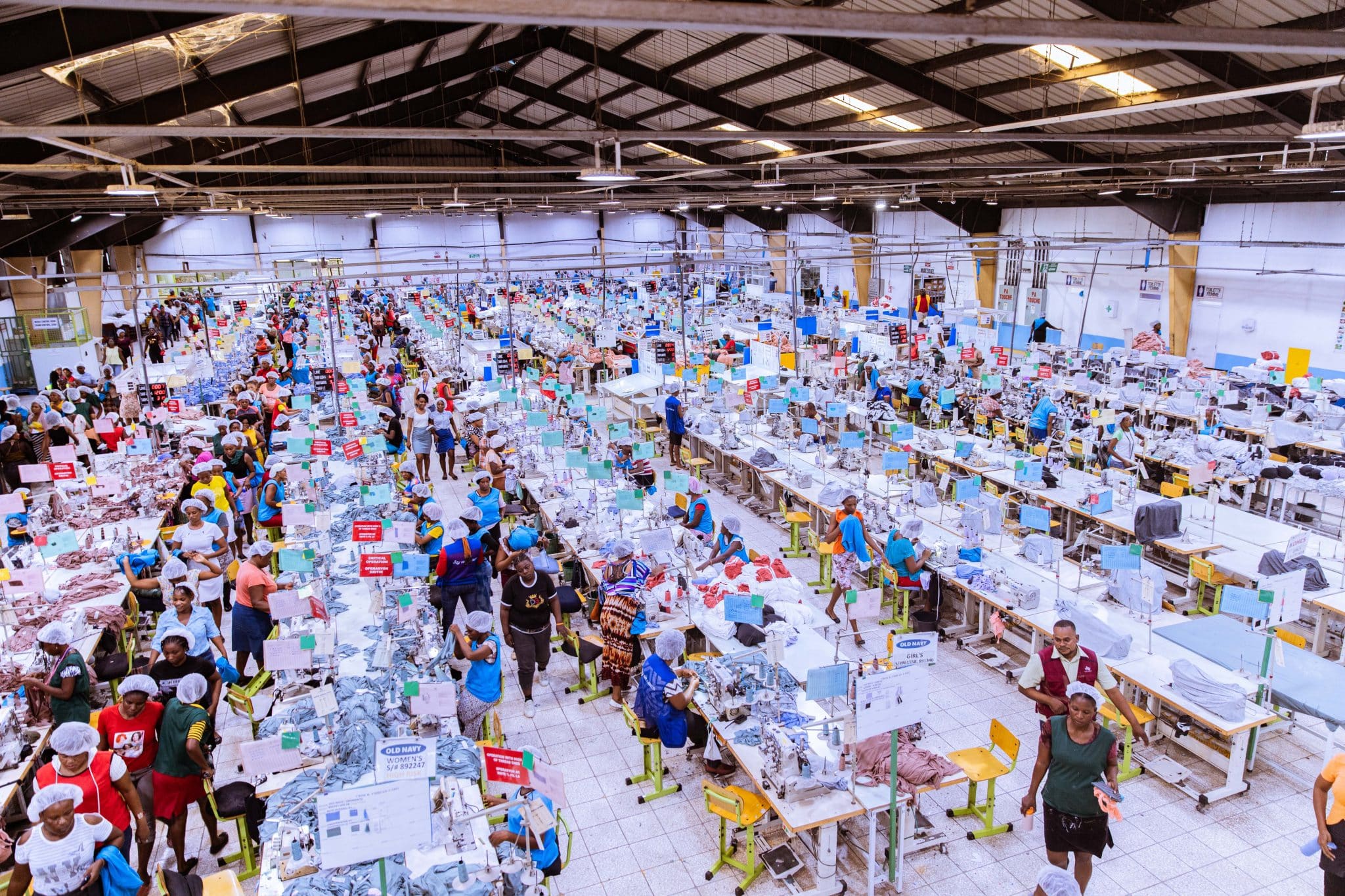
Wages must be correctly calculated, paid consistently and properly recorded. This means good systems and payment platforms. Better Work data helped guide national partners in making wage systems work more clearly. For example in Egypt, Better Work data supported clarifying minimum wage calculations, helping address inconsistencies and disputes. Better Factories Cambodia supported the shift to digital wage payments, increasing coverage from 50 per cent in 2022 to 80 per cent of registered factories in 2025 and more than 650,000 workers, strengthening the path from policy to payment.
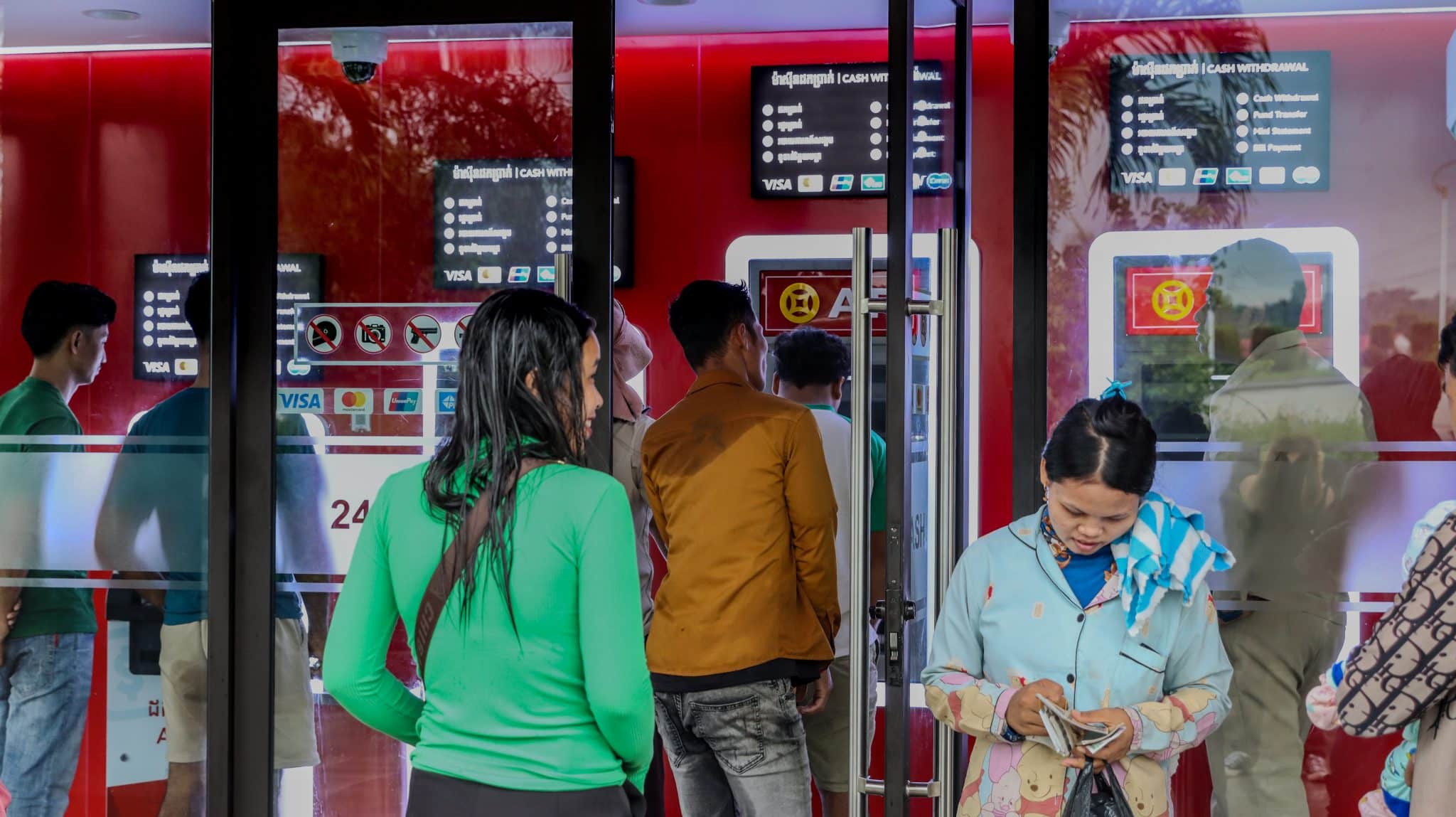
During a period of tariff uncertainty, Better Work used its factory presence to capture how changing trade conditions were affecting businesses and workers. Rapid factory surveys in Bangladesh and Cambodia captured the effect of changing trade conditions on market conditions, operational sustainability and workforce dynamics. This timely evidence helped governments, employers, workers and buyers to understand risks earlier, respond faster and better protect established progress.
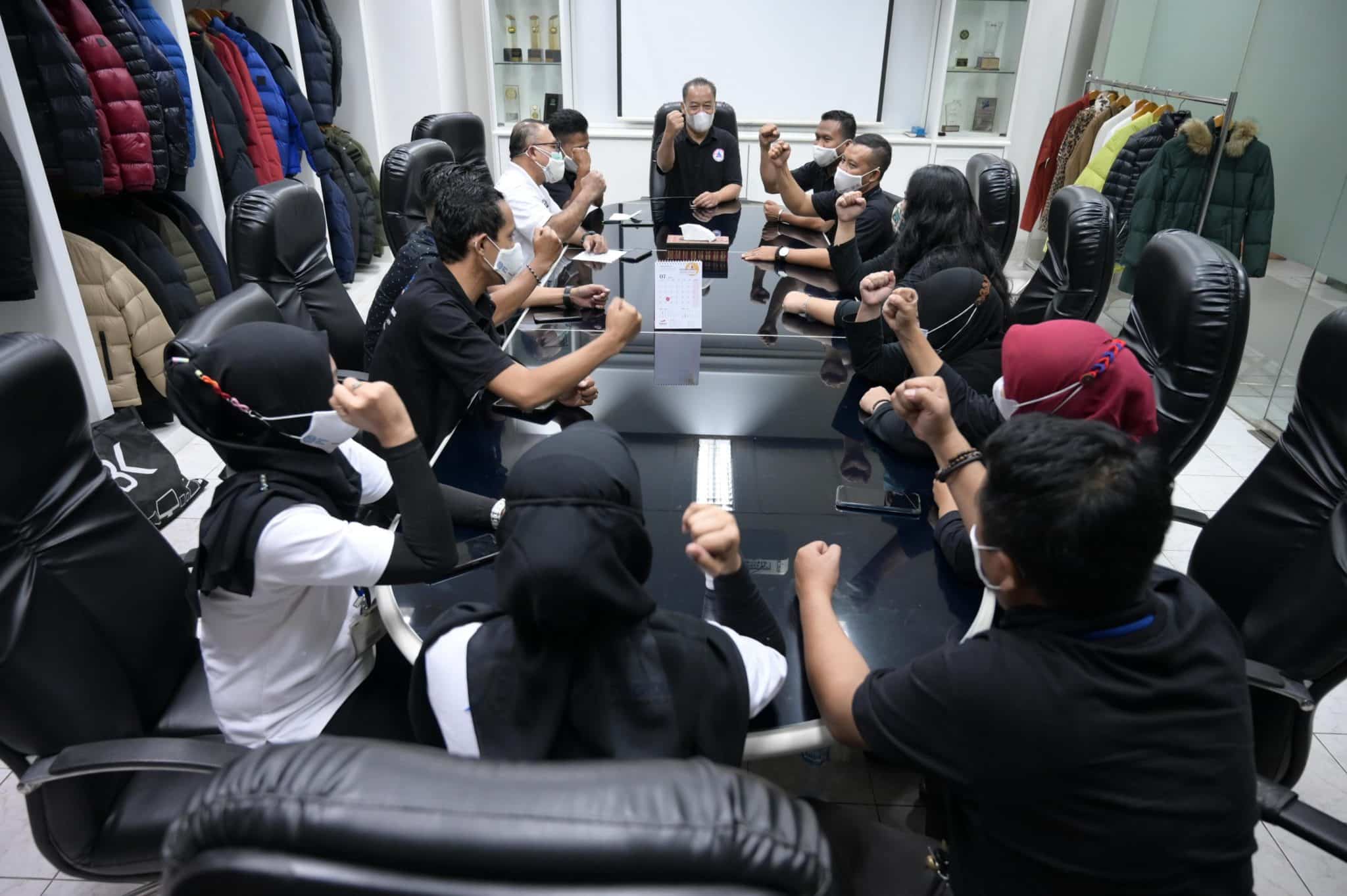
Better Work continued to advance inclusion into workplace practice. In Viet Nam, the programme introduced parenting-skills training for workers balancing family and employment. It supported factories with disability inclusion and recruitment. In Sri Lanka, Better Work guided progress on national pathways into work to be more inclusive for people with disabilities. Targeted UN-collaboration in Indonesia piloted tools for women’s empowerment and health. Across many programmes, Better Work advanced female leadership and GBVH prevention tools, linking inclusion as an integrated part of safer workplaces, stronger worker support and clearer pathways to opportunity.
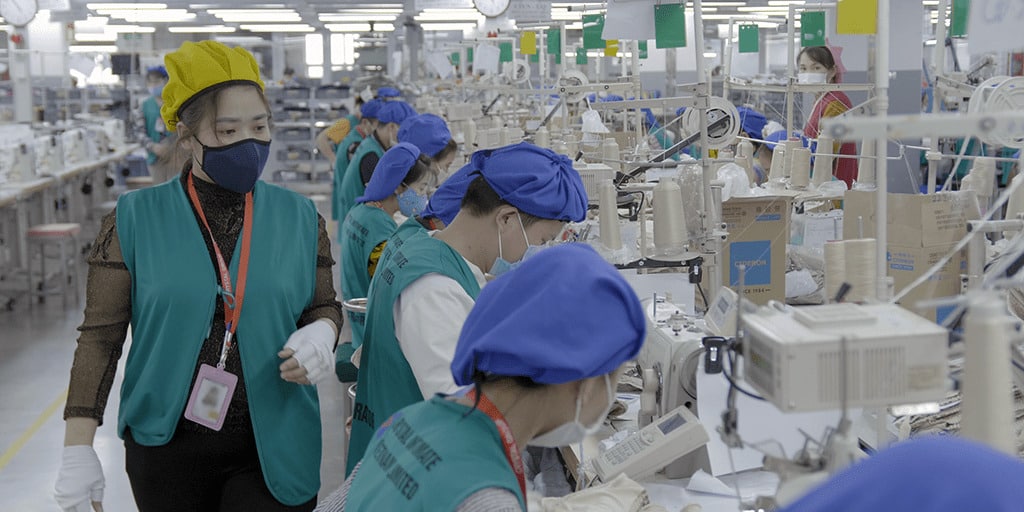
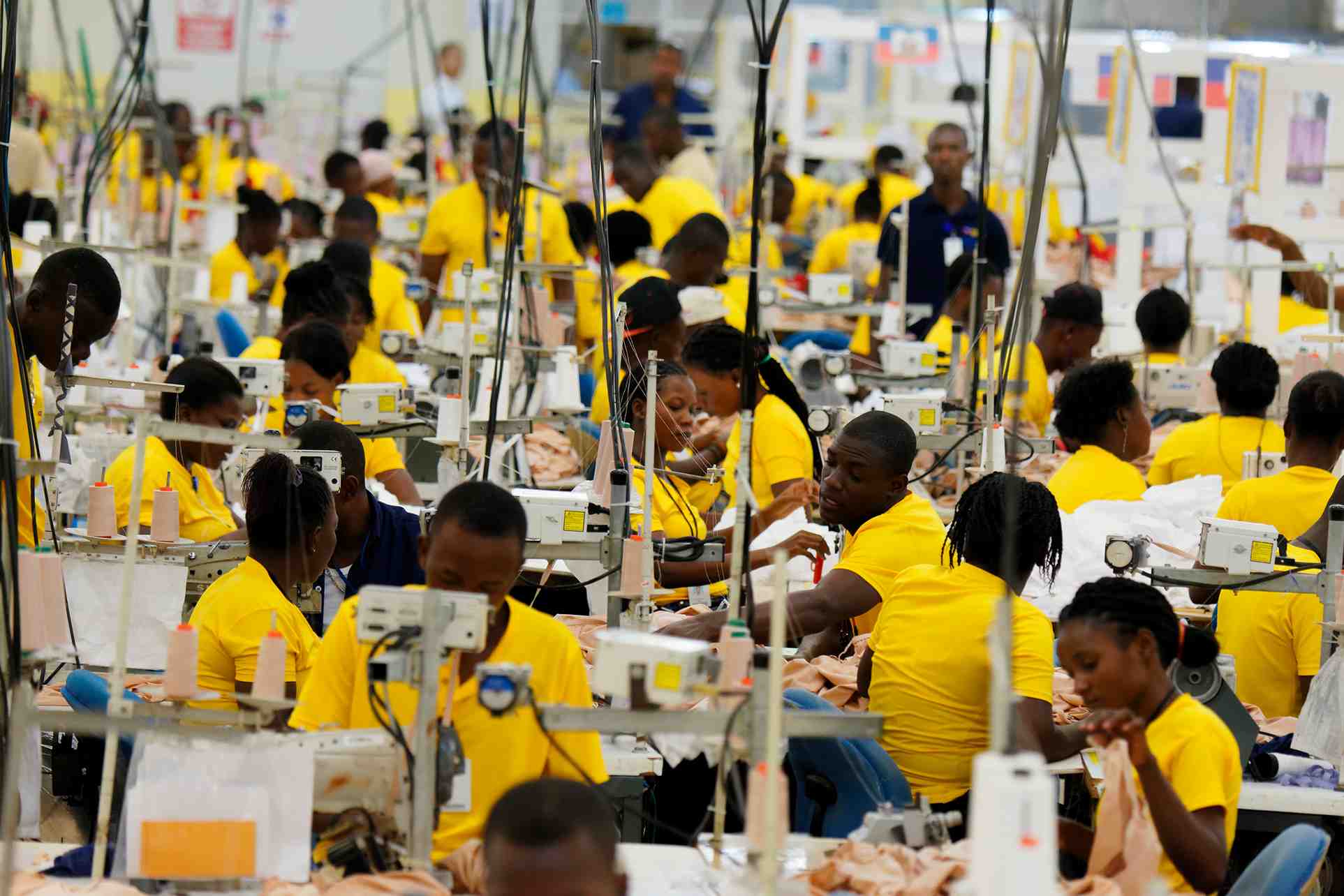
In Haiti – operating under extremely difficult conditions – Better Work supported coordination between public institutions, employers and workers’ representatives so that social protection and severance issues were handled more consistently. The work helped clarify institutional roles around social security contributions and legal protections. It also strengthened follow-up on workers’ legal protections, including severance, health, maternity and workplace injury coverage.
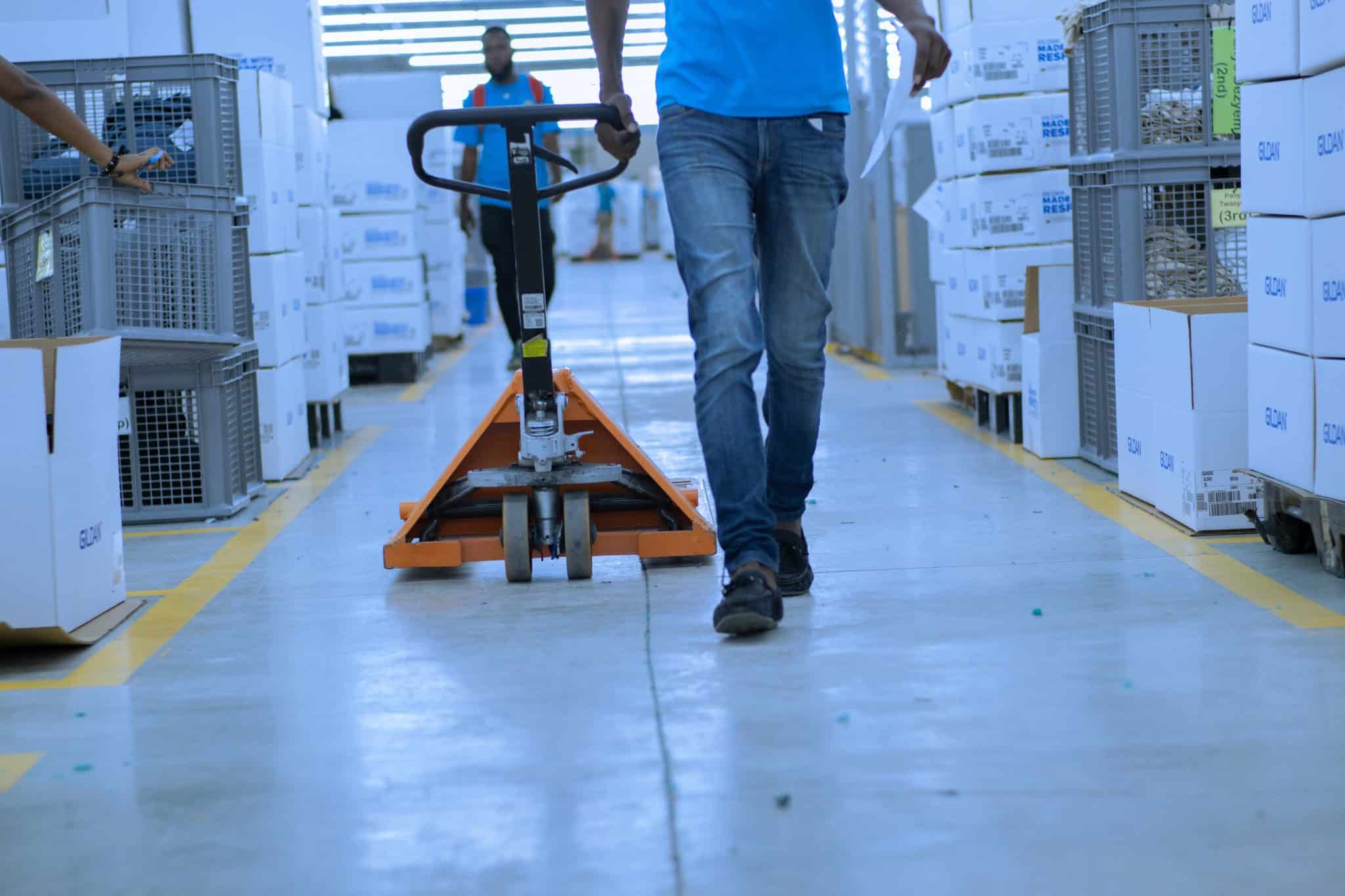
Better Work continued to scale its tools and approaches beyond garment factories, including working with partners, to reach beyond first tier exporting factories, new sectors, and where Better Work is not yet present. In Ethiopia and Madagascar, Better Work’s capacity building work with constituents strengthened local capacity, advanced women’s leadership, and improved market opportunities in horticulture and raffia value chains, while a collaboration with the International Finance Corporation (IFC) supported the application of Better Work training approaches in the hospitality sector, reaching over 200 stakeholders across more than 15 countries.
Better Work began in Cambodia in 2001. Over the past 25 years, the programme has worked with partners around the world to turn a simple vision into lasting impact: that decent work can drive stronger businesses, more resilient economies and better lives. In the Country Programme Highlights, discover different stories of how that vision came to life in its 25th year.
Better Work Bangladesh is focused on strengthening national ownership, helping institutions, industry actors, and factories to build the capacity and systems needed to sustain improvements in working conditions over time. The programme also works closely with other ILO initiatives supporting Bangladesh’s ready-made garment sector, bringing together expertise on labour administration, working conditions, and labour rights to help strengthen national systems.
In 2025, this included strengthening employer associations’ capacity to support workplace improvements beyond Better Work factories.
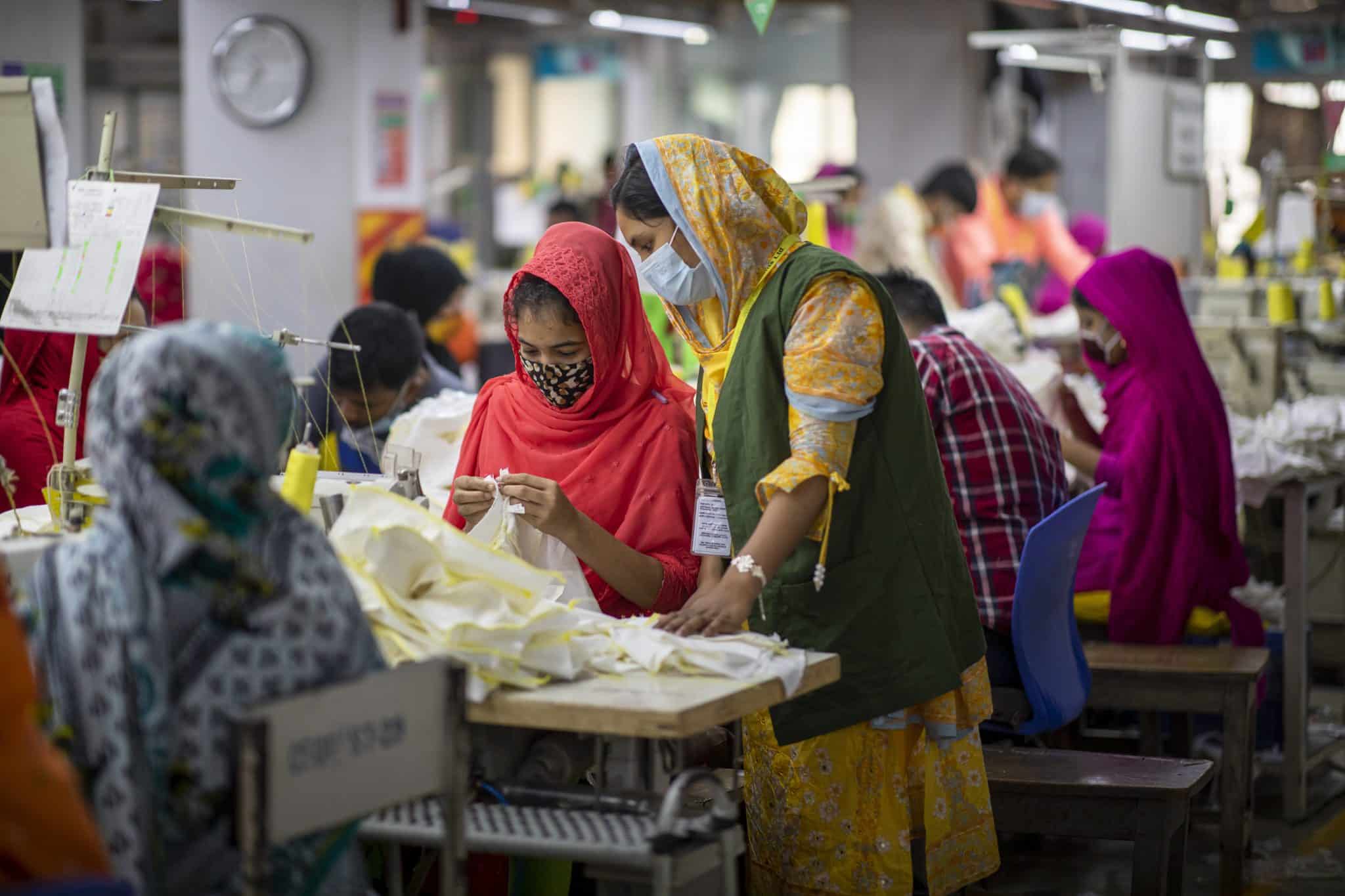
The programme supported national labour governance institutions by integrating gender-responsive standards into government inspection systems and strengthening collaboration on data sharing and transparency. Evidence from factory engagement informed national dialogue on emerging trade risks, while the development of a pilot initiative on referral pathways and access to justice aimed at ensuring workers have access to trusted, effective, and victim-centred grievance and remedy mechanisms.
Together, these efforts continued to build the national capacity to sustain progress towards decent work through stronger institutions, partnerships, and workplace systems.
““Working with enterprise advisors and trainers from Better Work Bangladesh, I learnt that true compliance and sustainability start with placing worker safety, rights, and gender equity at the heart of industry growth. As the apparel sector adapts to shifting global standards, worker welfare and responsible business conduct must remain at the core of industrial transformation.”
Masudur Rahman
Head of Compliance at Ha-Meem Group (A Better Work-registered factory)
In 2025, Better Work Bangladesh brought factory-level evidence into national discussions on labour law reform, supporting efforts to strengthen collective bargaining, worker representation, and industrial relations. This complemented wider work with government, employers, and workers.
At the government level, Factory-level evidence from Better Work Bangladesh helped inform the Bangladesh Labour Act amendments, contributing to a stronger legal foundation for workers’ rights and responsible industrial relations. At the workers and employers level, 52 trade union representatives were trained to strengthen the unions, while industry advisers from employers’ organizations reached 96 factories, transferring know-how to industry partners and creating pathways to scale Better Work’s reach beyond participating factories.
The proportion of registered factories with functioning Participation Committees more than doubled between 2018 and 2025, strengthening workplace dialogue and worker representation.
Women advanced their careers through the Gender Equality and Returns (GEAR) programme.

The proportion of factories providing day care facilities more than doubled between 2018 and 2025, strengthening support for working families.
As Better Work’s longest-running country programme, Better Factories Cambodia has grown beyond steering factory compliance, it has become a trusted platform for the industry as a whole.
In 2025, as the garment sector navigated trade uncertainty and labour market disruption, the programme drew on its factory level data, expertise and partnerships to give government, employers, workers and international buyers the tools they need to respond to emerging challenges and shape a more resilient, competitive and inclusive industry.
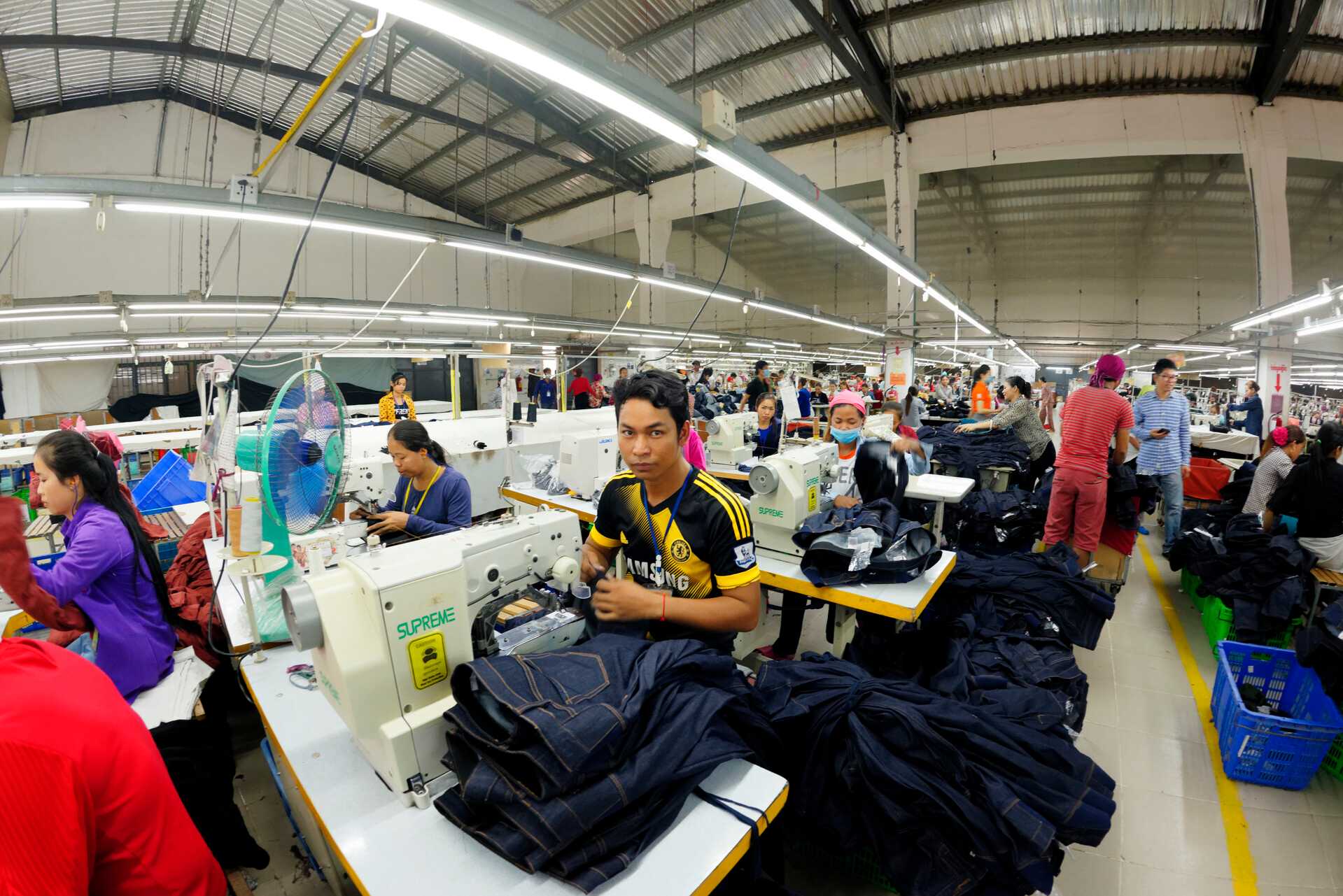
Throughout 2025, Better Factories Cambodia continued to put this role into practice by working with factories, national partners and international brands. Evidence from factories informed responses to trade volatility, heat stress and responsible business conduct, and the buyers’ forum strengthened private sector collaboration to address emerging challenges across the garment, footwear and travel goods sector.
The programme also built national capacity through its Joint Action Plan with the Ministry of Labour. Coordinated action with government, employers and trade unions worked to embed gender equality and the prevention of gender-based violence and harassment more firmly into workplace management relations. Together, these efforts demonstrated how trusted partnerships, practical evidence and factory experience can help drive lasting improvements across Cambodia’s garment sector.
““We see Better Factories Cambodia not simply as a compliance requirement, but as a platform that can help the industry continue improving. Initiatives such as stronger occupational safety and health, digital wage payments, and better employer-worker dialogue can contribute to more productive, stable, and sustainable workplaces. Our partnership should continue to help balance workers’ well-being with the realities of running competitive businesses, while helping Cambodian factories meet changing global expectations and remain attractive to international buyers.”
Mr. Kaing Monika
Deputy Secretary-General of the Textile, Apparel, Footwear & Travel Goods Association in Cambodia (TAFTAC).
By the end of 2025, digital wage payments reached 80 per cent of factories including some subcontracting factories, up from 50 per cent in 2022, thanks to strong commitment and engagement from key stakeholders, including the employers’ association. That’s more than 650,000 workers. Combining financial education, digital learning and coordinated action with partners, the programme helped workers better understand and manage their wages, while factories introduced more efficient and transparent payroll systems.
of factories had active and effective worker–management committees, up from 21% in 2024, showing continued progress in workplace dialogue.
worker and management representatives took part in practical workplace improvement sessions, strengthening dialogue and joint problem-solving.

Average non-compliance on key labour issues, down from 6.6% in 2024, meaning fewer workplace issues requiring improvement.

Digital wage payment coverage among registered factories increased between 2022 and 2025, improving wage management for more than 650,000 workers.
Egypt had a strong trading year in 2025, with notable growth in exports to US$3.4 billion – a record. It was also a significant year for reform, with changes to wage regulations and the introduction of a new labour law in Egypt. Better Work and the ILO worked closely with the Ministry of Labour, employers’ organizations and workers’ representatives to support a clearer and more consistent application of labour law, strengthen labour inspection capacity and deploy its knowledge and expertise to inform dialogue on priority compliance issues. Working with other ILO initiatives and national partners, Better Work Egypt also translated legal requirements into practical guidance for factories, helping them understand what the new rules mean for day-to-day workplace practices.
At the factory level, Better Work Egypt continued to help employers and workers put these standards into practice through advisory services, training and workplace dialogue. For workers, this meant clearer application of rights and entitlements, stronger channels for raising concerns and more consistent implementation of labour standards.
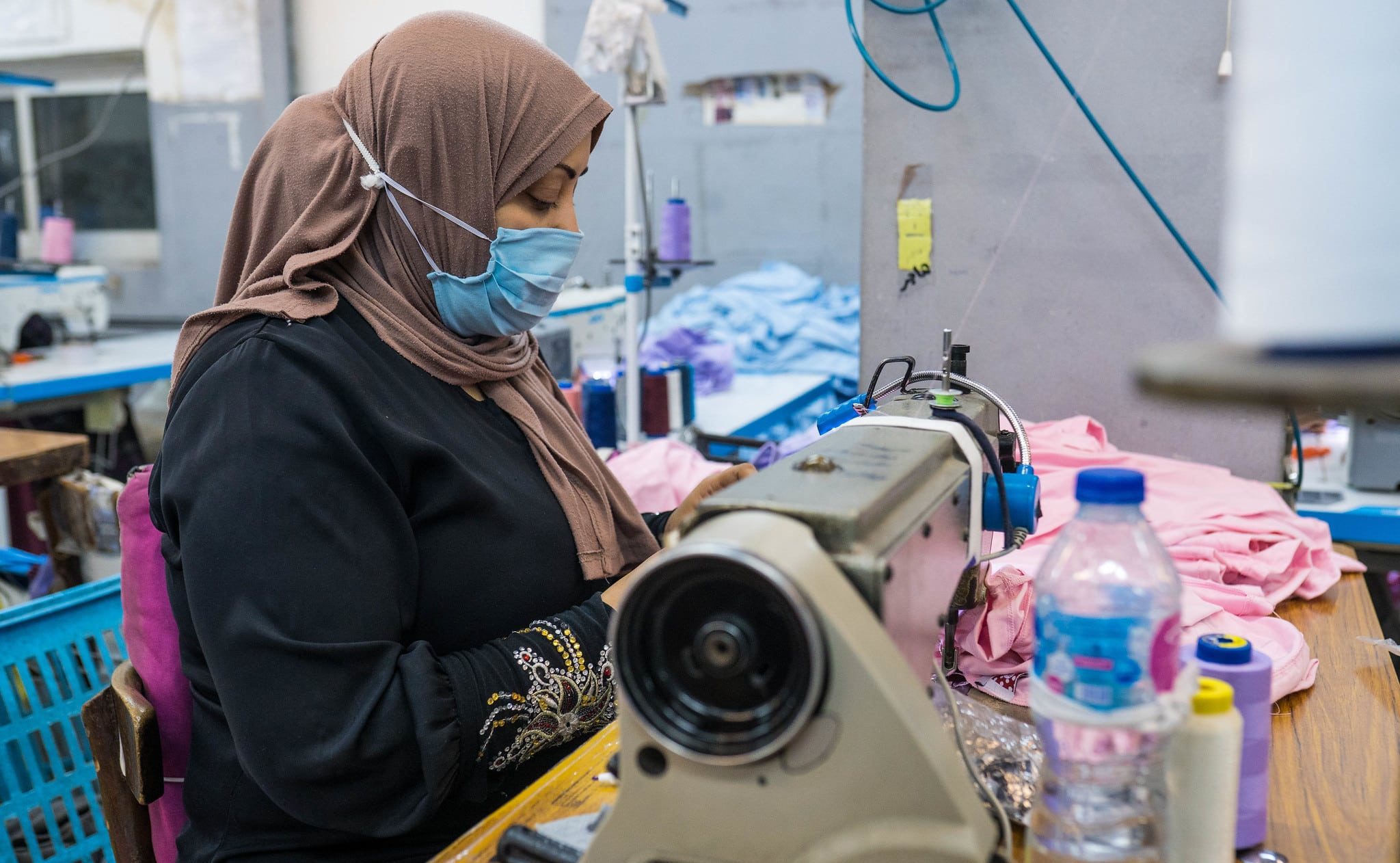
The programme also deepened its engagement with international buyers, strengthening alignment on legal compliance, reinforcing consistent labour‑standards implementation, and contributing to stronger remediation outcomes.
““Better Work Egypt has truly transformed how I approach my work, providing me not only with the technical tools but also the mindset to engage factories as partners, not just subjects of inspection. It’s empowering to see that our work is helping create safer workplaces and a culture of care that goes beyond regulations.”
Mona El Dardir
Researcher at the Egyptian Ministry of Labour’s Occupational Safety and Health (OSH) department (national partner)
In 2025, Better Work Egypt worked with national partners, helping turn the introduction of Egypt’s EGP 7,000 minimum wage into meaningful improvements for workers. By working with the Ministry of Labour and tripartite partners, the programme supported clearer implementation of wage regulations, helped address inconsistencies in workers’ entitlements and remediation where wage calculation errors had resulted in underpayments.
For workers, this meant greater clarity around their entitlements and remediation where wage calculation errors had resulted in underpayments. As the guidance began to be applied through labour inspections beyond the garment sector, the programme also helped strengthen more consistent enforcement of labour standards at national level.

labour and OSH inspectors trained to become trainers, expanding national capacity to provide factories with practical guidance on labour standards and workplace safety. More than half were women.

factory representatives (34% women) strengthened their knowledge of priority compliance areas through a series of eight virtual seminars delivered jointly with the Ministry’s labour inspectors.
of participating workers in the Leadership Development Programme advanced into higher positions, demonstrating how targeted leadership development can help workers expand their opportunities.
2025 marked the conclusion of the first phase of the One ILO Siraye programme – an integrated ILO initiative bringing together expertise on workplace improvement, labour administration, occupational safety and health, wages, productivity and responsible business conduct to advance decent work and inclusive industrialization in the garment sector. As the programme’s core enterprise-level delivery vehicle, Better Work Ethiopia supported factories in strengthening workplace practices through assessments, advisory services and training, in order to strengthen OSH committees, workplace dialogue and grievance mechanisms. In parallel, Better Work Ethiopia contributed its data and expertise to system level reforms on occupational safety and health (OSH), wage policy, labour governance, and national tools and guidance.
Building on this experience, Better Work also began supporting a new ILO initiative to explore how proven approaches from the garment sector can be adapted to Ethiopia’s coffee and horticulture value chains, extending the benefits of better working conditions to other key sectors of the economy.
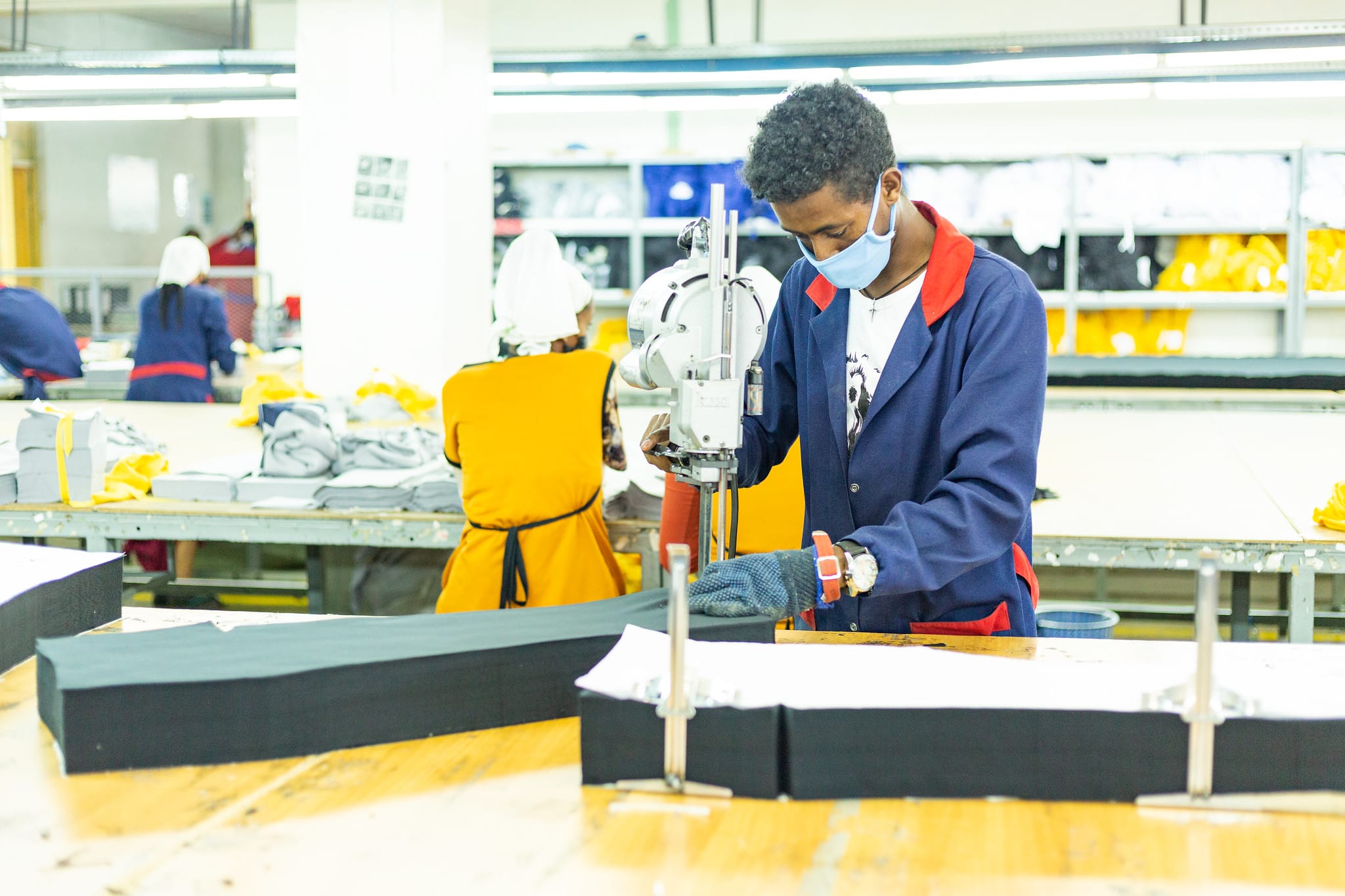
In Ethiopia’s garment sector, women make up much of the workforce but remain underrepresented in supervisory and management positions. Through the Women’s Leadership Development Programme, Better Work together with the ILO, helped address this gap by equipping female garment workers with the skills, confidence and support needed to advance into leadership roles.
For participants in the programme, such as the worker Tiblet Solomon, the impact has been both professional and personal.
““Starting with a modest salary, I have since progressed in my career and now earn better. The training and mentorship have been transformative, helping us reduce absenteeism, improve time management, strengthen interpersonal skills, and develop better problem-solving abilities.”
Tiblet Solomon
Factory Worker and participant in the Women’s Leadership Development Programme
In 2025, the Women’s Leadership Development Programme (WLDP) translated leadership training into measurable career progression. More than one in four participating female workers were promoted to supervisory positions, while one in six trained supervisors advanced into management roles. The programme also extended beyond the garment sector, piloting the WLDP with coffee farmers and broadening its reach to workers in other parts of the economy.
Average non-compliance on key labour issues fell between 2019 and 2025, reflecting sustained improvements in factories’ compliance with labour standards.
of participating women supervisors advanced into management positions, contributing to greater gender diversity in workplace leadership and helping to ensure that women’s perspectives are better reflected in management.
of participating women workers were promoted to supervisory roles, expanding women’s participation in workplace leadership and decision-making.
In 2025, amid severe insecurity, factory closures, and disruptions to public services, Better Work Haiti continued to help workers, employers, and institutions keep labour protections functioning. Through ongoing engagement with factories and coordination with government institutions, employers and workers’ representatives, the programme supported compliance follow-up, preserved channels for social dialogue and helped sustain action on worker protections during a period of significant strain.
For workers, that mattered in practical ways. Better Work Haiti helped coordinate responses to factory closures in compliance with national laws, resulting in more than US$2.25 million in severance payments reaching around 2,500 workers.
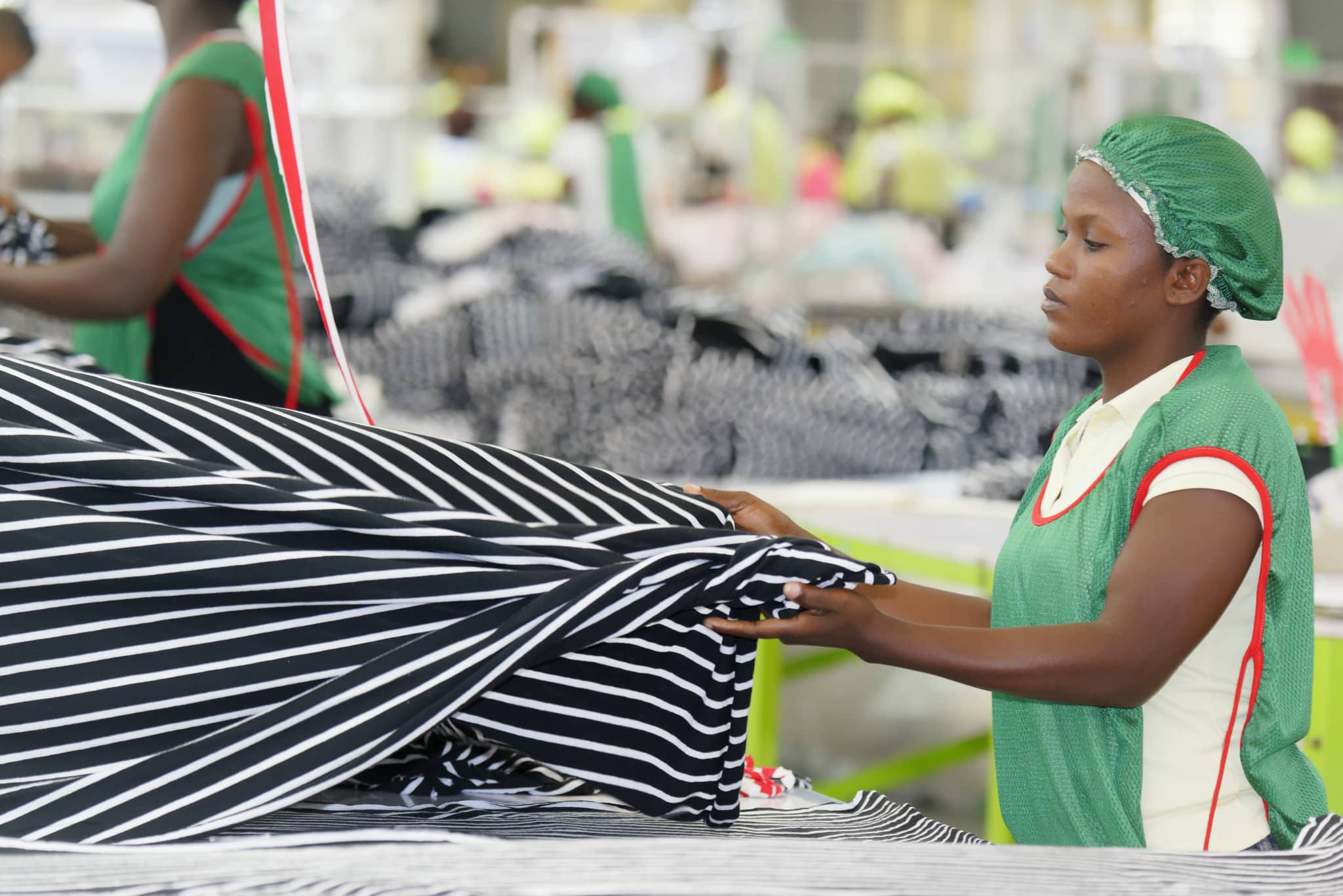
The programme also supported closer alignment between labour and social protection institutions, helping strengthen follow-through on health, maternity and workplace injury coverage.
““When the factory can’t operate, I lose income, which affects our ability to meet basic needs.”
Grace Marcel
Quality control inspector at a Better Work-registered factory, Port-au-Prince
Better Work Haiti helped institutions, employers and workers’ representatives reach a shared understanding of social protection rules, helping institutions improve coordination and follow-through around health, maternity and workplace injury protections – improvements that matter directly on the factory floor.

stakeholders strengthened their understanding of the ILO Violence and Harassment Convention (No. 190).
in severance payments coordinated by Better Work Haiti, helping around 2,500 workers receive the payments owed to them.

representatives from government, employers’ and workers’ organizations strengthened their capacity on social protection.
Indonesia’s textile and garment industry was buffeted by tariff policy changes and uncertain demand in 2025. The country continued to develop and implement labour reforms, often drawing on Better Work data to inform its efforts. Better Work Indonesia shaped better labour governance through strategic partnerships and deploying its technical expertise. The programme worked closely with government, workers, employers, international brands and national partners to strengthen institutions and develop practical tools that support more consistent implementation of labour standards.
Together with its national implementation partner, the Kemitraan Kerja Foundation (KKF), Better Work Indonesia continued advancing a nationally anchored model for workplace improvement.
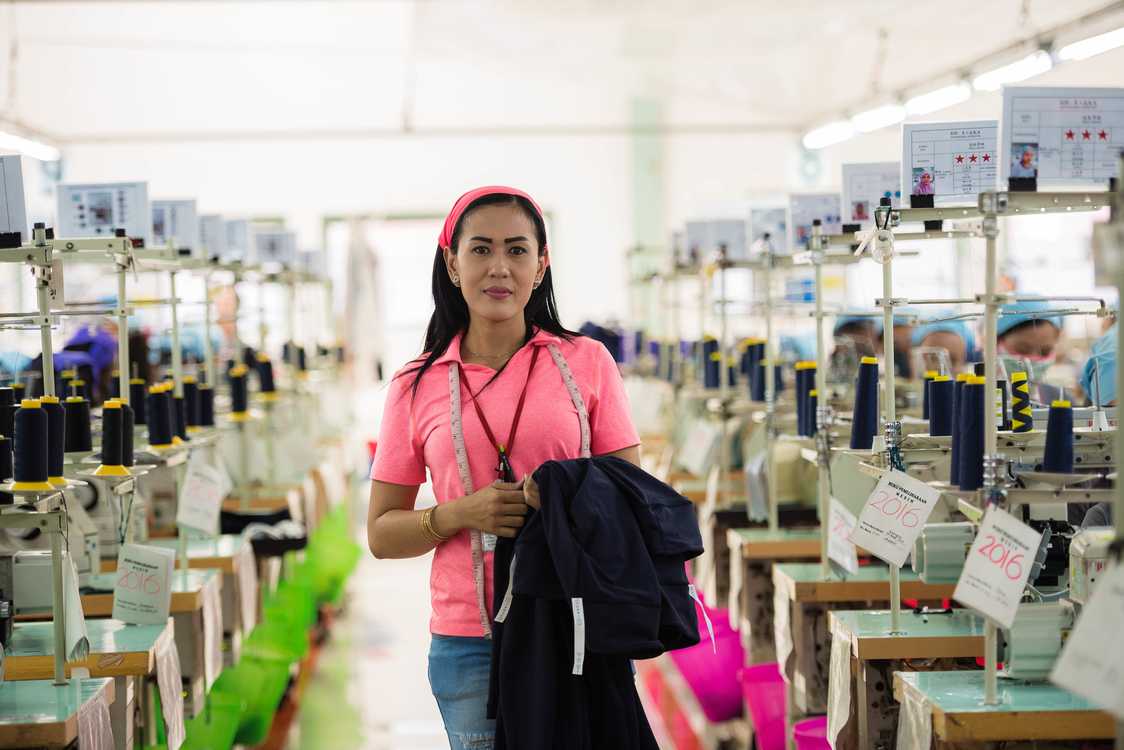
As KKF expanded its direct engagement with factories and delivery of enterprise services, Better Work Indonesia increasingly focused on strengthening labour governance, technical guidance and stakeholder collaboration – using its knowledge to reinforce national labour reforms and helping ensure that Better Work’s proven approaches will be increasingly implemented by Indonesian institutions and partners.
““SPN’s participation in the Better Work Indonesia Programme Advisory Committee strengthens the involvement of workers’ organizations in dialogue and joint decision-making, while ensuring that workers perspectives are represented in discussions on labour standards, working conditions, and industrial relations—both at the company and sectoral levels.”
Iwan Kusmawan, S.H.
Chairperson of the Serikat Pekerja Nasional (SPN) or National Workers Union
By the end of 2025, Better Work was recovering 96 per cent of its programme costs through private sector revenue, a milestone that demonstrates the value that brands and factories place on the programme.
Better Work compiled the Ministry of Manpower-endorsed Labour Law Guidelines platform reaching more than 68,000 users with practical, multilingual guidance to factory managers, workers, labour inspectors, brands and civil society. Updated Fixed-Term Employment Contract guidance (PKWT), developed in close collaboration with the Ministry of Manpower, translated complex regulatory reform into tools that factories, inspectors and labour authorities can apply consistently. Together, these initiatives helped strengthen more consistent implementation of labour standards across the garment sector.
of factories strengthened support for working families through maternity, parental leave and childcare provisions.
of factories improved how workers and managers resolve workplace issues together.
of line supervisors in Better Work factories were women, reflecting stronger pathways for women into leadership roles.
During 2025, a year of political transition and institutional uncertainty, Better Work Madagascar maintained its focus on strengthening labour governance across enterprise, sector and institutional levels.
Collaborating with brands, retailers, ministries, labour inspectors and industry stakeholders, the programme built national capacity on social compliance and workers’ rights, particularly through Training of Trainers approaches, and targeted engagement on international labour standards.
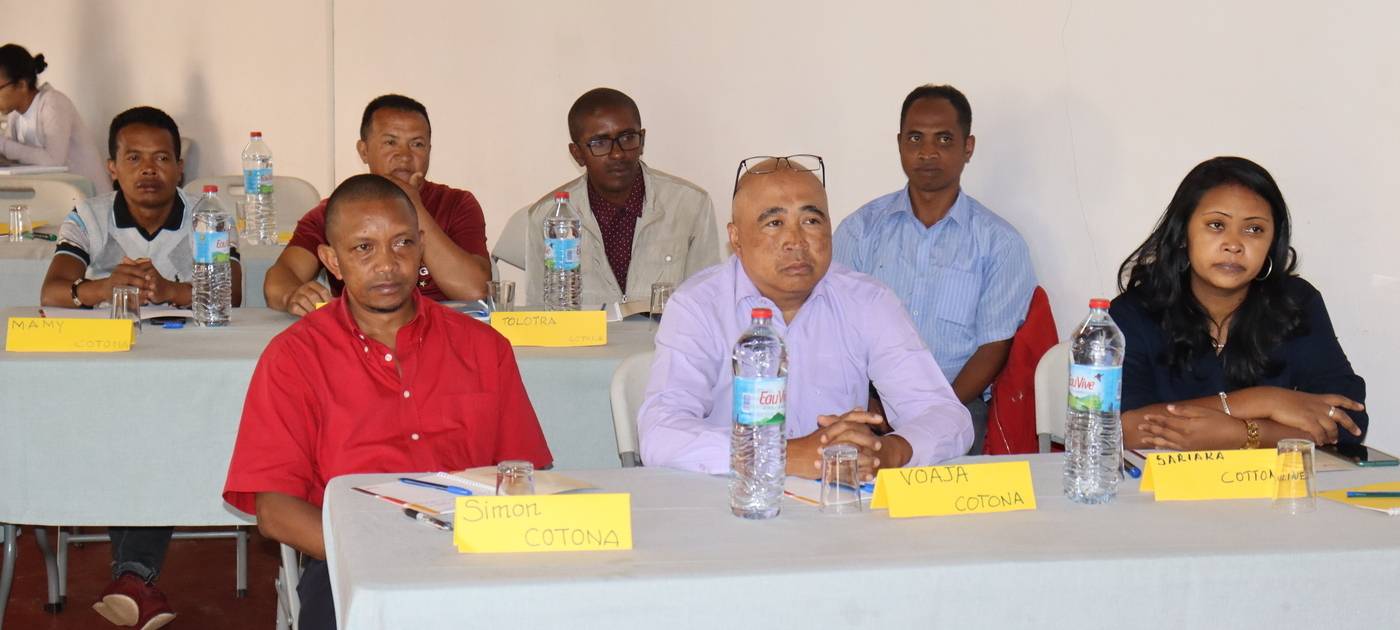
This helped equip the institutions responsible for promoting and protecting workers’ rights to apply labour standards more consistently and support stronger social dialogue across the sector. With a focus on local ownership and practical application, the work is increasingly carried forward within national institutions and value chains.
““There is not only a social but also an economic argument to promote more women in leadership positions.”
Coffi Agossou
Former ILO Country Director for Madagascar; currently Deputy Regional Director for Africa
Better Work Madagascar extended its work beyond the exporting tier of the garment industry and into adjacent sectors. Building on approaches already proven in the garment sector, the programme brought its women’s leadership programme, GEAR, to the raffia value chain.
By supporting women artisan groups in lower parts of the supply chain – where workers often have less access to training, representation and labour protections – the programme strengthened leadership, worker voice and working conditions. This also shows how Better Work’s approaches can be successfully adapted to improve working conditions for workers well beyond the reach of traditional factory programmes, helping extend decent work principles across wider value chains and into other sectors.
Constituents had their capacity built on the enforcement of international labour standards.
women artisans learned about leadership and career-development through training and coaching, contributing to career pathways across the value chain.
Training of the Trainer sessions built the capacity of government officials to promote labour standards and workers’ rights.
In 2025, Pakistan’s textile and garment sector showed resilience in a challenging year. Despite disruptions from conflict and ongoing security concerns, textile exports grew to US$17.89 billion supporting millions of workers and generating the majority of Pakistan’s export earnings. Against this backdrop, Better Work Pakistan continued to play an important role in improving labour standards and transparency.
Across factories, the programme contributed to tangible improvements in how workplaces protect workers and manage compliance. Post-training feedback indicated that over 85 per cent of participating factories integrated learnings into their improvement plans, with progress in worker-management dialogue, safety protocols, and grievance mechanisms.
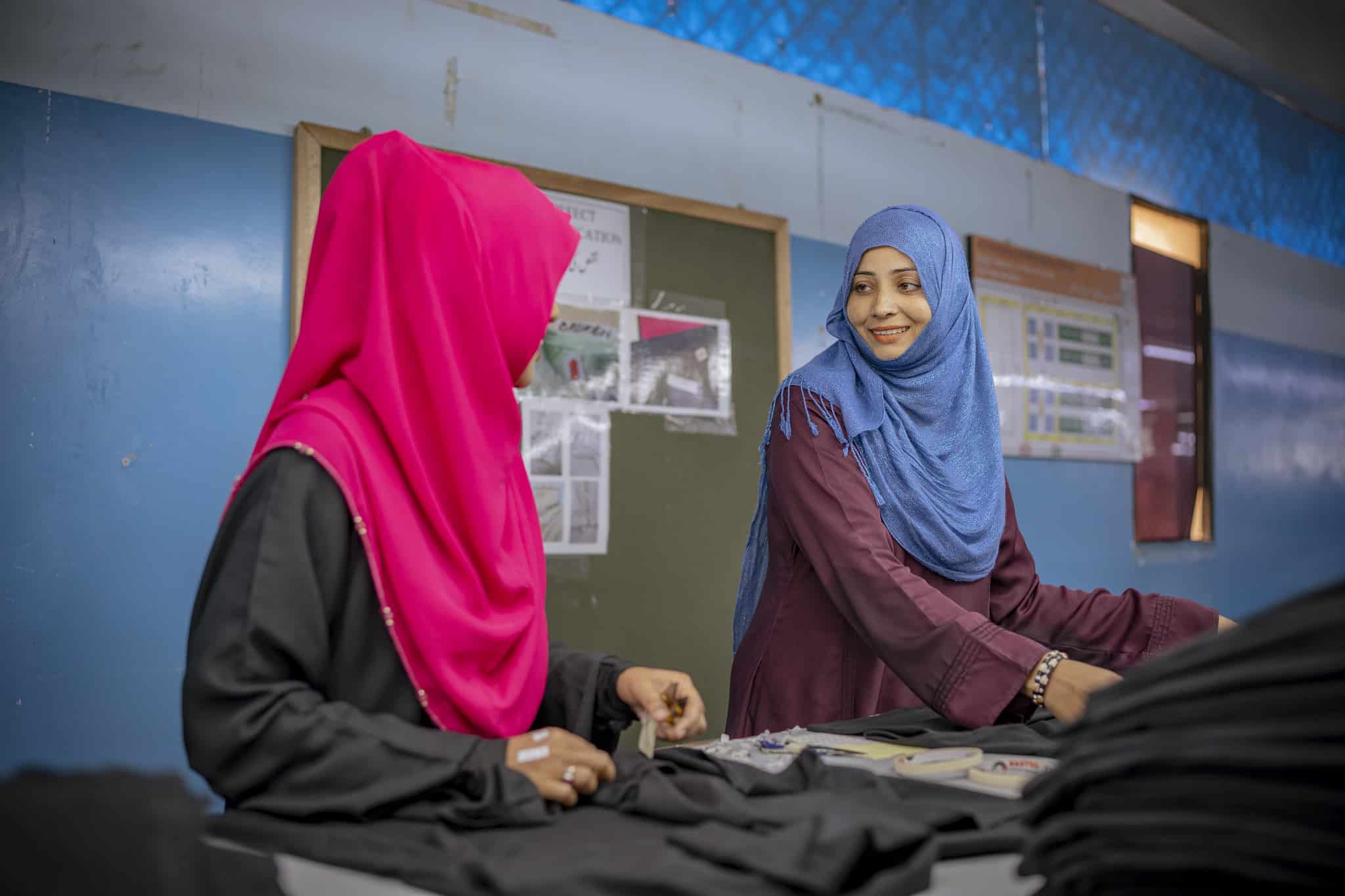
Across many workplaces in Pakistan, women work full days while continuing to carry the primary responsibility for work at home. Najma is one of them, supporting her four children, working long hours, and taking on evening work to keep her household running. Through Better Work’s support, childcare facilities at textile factories are helping working mothers like Najma stay employed.
““I can focus on my work now. Because my children are close by and safe.”
Najma Bibi
Worker at a Better Work-registered factory
Labour governance plays an important role in creating the right environment for workplace improvements. During 2025, Pakistan made concrete progress: Tripartite partners expressed strong national ownership when they endorsed a shared national framework for Better Work Pakistan, provincial consultative committees convened, and training for workers’ and employers’ representatives on labour law reform were conducted to support greater compliance with labour law on issues such as freedom of association and collective bargaining. In terms of regulatory reform, the revised Punjab Labour Code was developed through 2025 in order to introduce stronger protections on equal pay, maternity leave, and employment of persons with disabilities.
supervisors in Better Work Pakistan’s factories were women, helping expand women’s representation in supervisory roles in Pakistan’s garment sector.
of the factories had active and effective bipartite committees, strengthening workplace dialogue and joint problem-solving.
of worker representatives in bipartite committees were women, strengthening women’s voice in workplace dialogue.
When Cyclone Ditwah struck in 2025, Sri Lanka’s apparel industry played a pivotal role in the country’s recovery, by sustaining employment, maintaining export production where possible, and continuing to generate vital foreign exchange earnings.
Building on this role, Better Work Sri Lanka helped open inclusive pathways into work for people with disabilities, supporting the capacity and systems needed to deliver lasting improvements in the labour market. Working with government, employers, and training providers through the Inclusive Threads initiative, Better Work updated outdated training curricula and provided support for trainees with disabilities to strengthen both technical and soft skills.
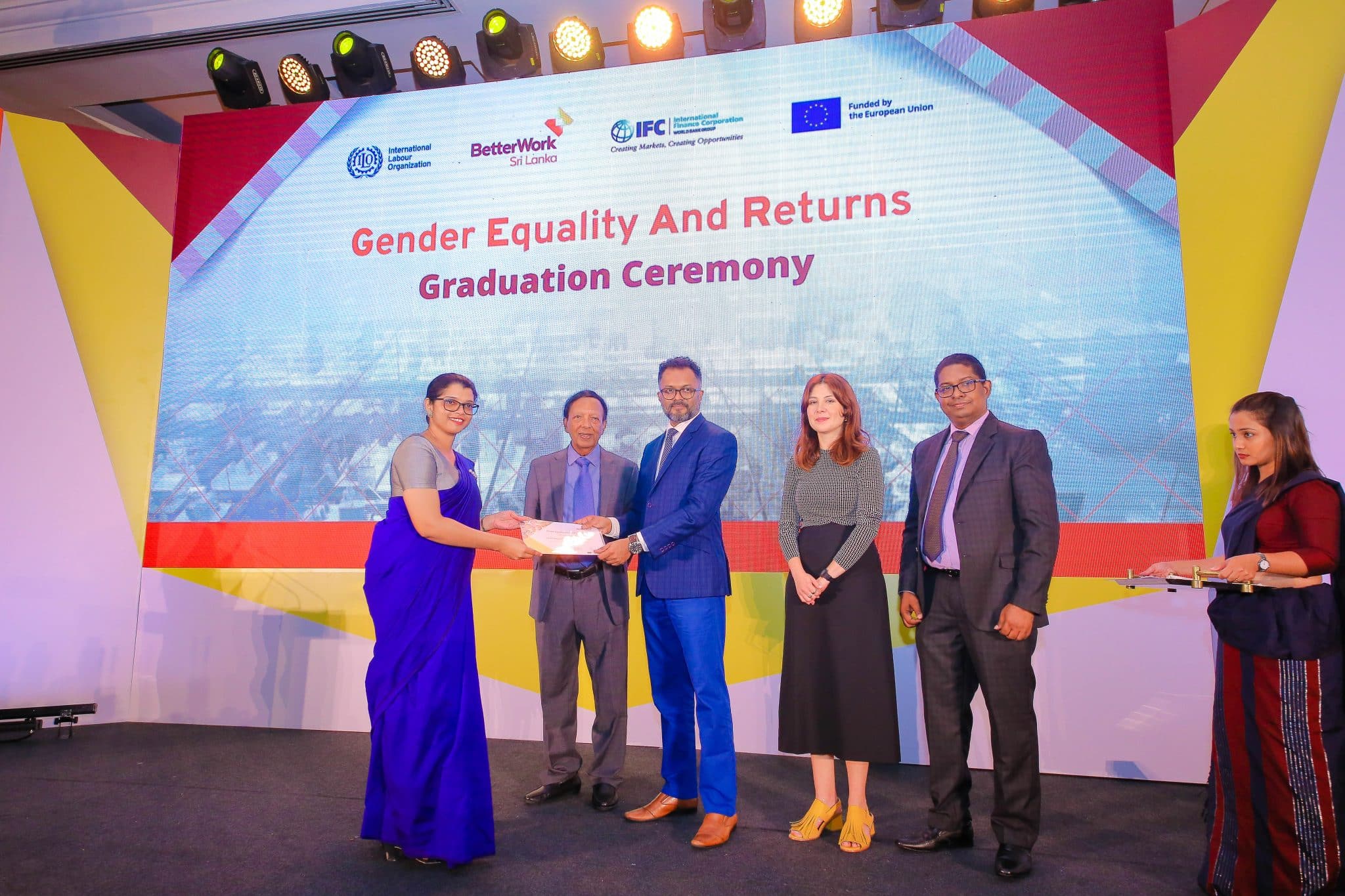
For many people living with disabilities, the greatest barrier to employment is not ability, but access to relevant skills, employers and opportunities. Through Inclusive Threads, government institutions, training providers and employers work together to help open those doors and create more inclusive pathways into the garment industry.
““Skills training is the bridge to opportunity. For persons with disabilities, access to industry-aligned courses can transform lives and open doors to sustainable livelihoods.”
Darshani Karunarathne
Director, Department of Social Services at Sri Lanka’s Ministry of Rural Development, Social Security and Community Empowerment (national partner)
Working towards the common goal of stronger labour market systems, employers, training institutions and government partners updated vocational training curricula, aligned training with industry needs and embedded disability inclusion into national systems. For people with disabilities, this translated into better access to industry‑relevant skills, clearer pathways into employment and greater opportunities to secure decent work.
tripartite constituents completed Disability Equality Training

trainees with disabilities enrolled in industry-relevant sewing courses, strengthening pathways to employment in the garment sector.
of the programme’s vocational training graduates secured employment in garment factories through training centre referrals.
In 2025, Better Work’s engagement with factories contributed to ongoing efforts to strengthen compliance, decent working conditions and global competitiveness. Through informing ongoing national labour governance and supporting an enabling environment for effective social dialogue and labour inspection, Better Work’s small team is contributing to improving working conditions in Uzbekistan.
Several participating factories reported increased interest in the sector by international brands. Better Work supported participating factories through assessments, advisory services and training that strengthened workplace cooperation, occupational safety and health, and gender-related practices, helping them respond to evolving buyer expectations and build confidence in Uzbekistan’s garment sector.
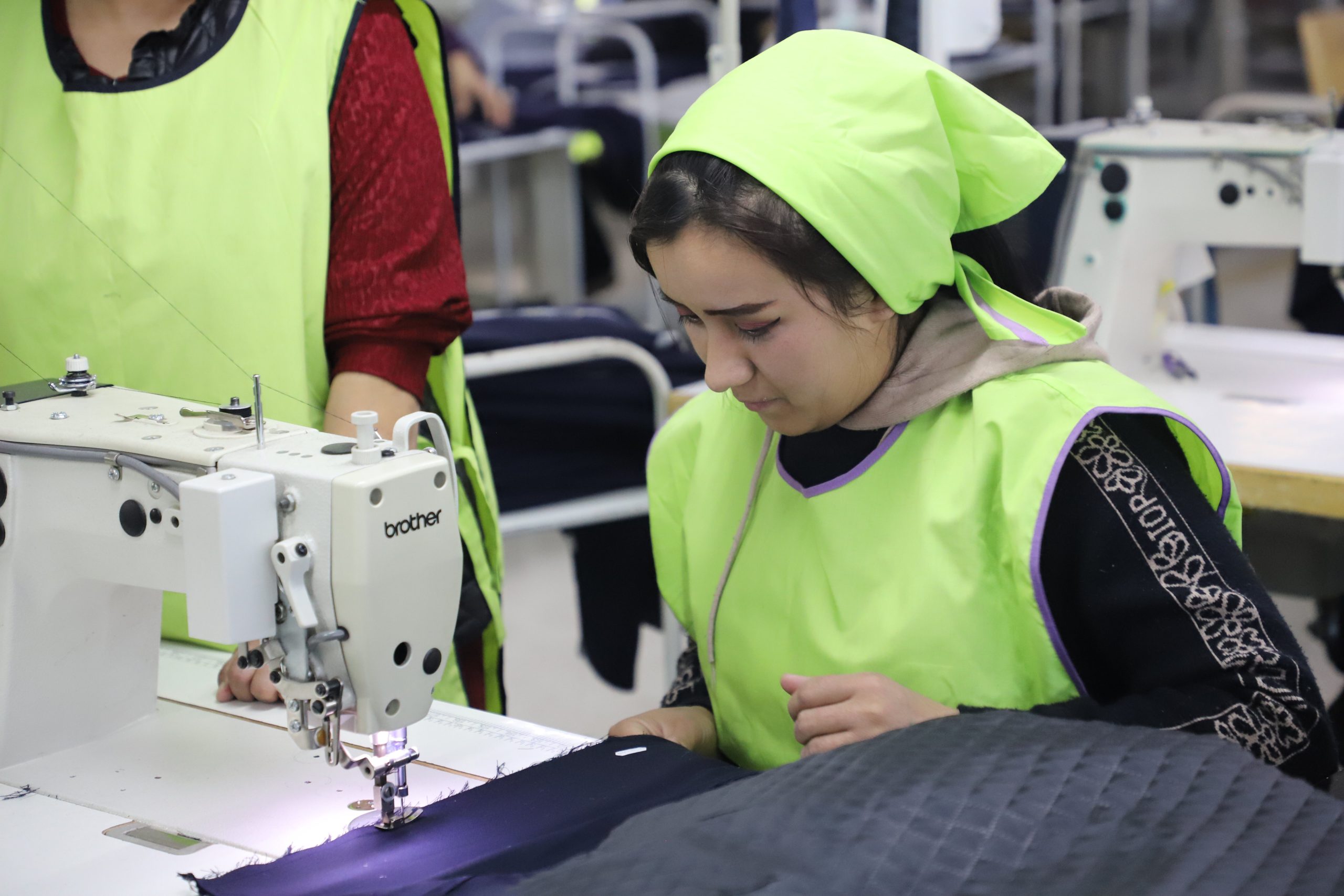
In Uzbekistan, Better Work is supporting factories like Fergana Global Textile in strengthening their occupational safety and health (OSH) practices.
““Collaborating with Better Work has been a great support in improving our occupational safety and health (OSH) practices. New safety protocols and training are helping to make our workplace safer for more than 6,500 employees.”
Hojimurod Egamberdiyev
Factory Worker at Fergana Global Textile (A Better Work-registered factory)
Tripartite collaboration remained central to the programme’s work. Under a Memorandum of Understanding (MoU) between the ILO, IFC and the Government of Uzbekistan, Better Work continued to work closely with government, employers and workers’ representatives to advance sector‑wide reforms. In 2025, this translated into negotiations on a domestic partnership agreement and a joint implementation roadmap with the Agency for the Development of Light Industry – anchoring Better Work’s role in the next phase of national textile sector reform.
constituents participated in 3 capacity-building events, strengthening institutional capacity and stakeholder collaboration.
representatives from employers’ and workers’ organizations trained on Better Work’s approaches and tools, empowering them to create lasting positive change for decent work.
of the supervisors in Better Work factories were women, helping expand women’s representation in supervisory roles in Uzbekistan’s garment sector.
In 2025, Better Work Viet Nam prepared for the transfer of key elements of its factory engagement to national partners, laying the groundwork for a more nationally anchored and sustainable model. Throughout the year, the programme strengthened the capacity of employers’ and workers’ organizations, factories and national institutions to carry forward Better Work approaches, helping build a stronger nationally owned system for improving working conditions.
At factory level, the Factory Ambassador Programme – which equips selected workers and supervisors to independently drive improvements in their factories – helped build internal ownership of continuous improvement. Stronger workplace dialogue and grievance mechanisms allowed factories to address concerns more effectively, while Better Work worked with brands and factories on practical initiatives around parenting skills and disability inclusion. Employers’ organizations stepped up, taking more responsibility for delivering Better Work training, while the programme expanded its hybrid service model, combining on-site and virtual support, to reach new regions and industries.
Across supply chains, Better Work’s knowledge, tools and partnerships aligned factories, brands and national stakeholders around a shared understanding of labour standards and responsible business conduct.
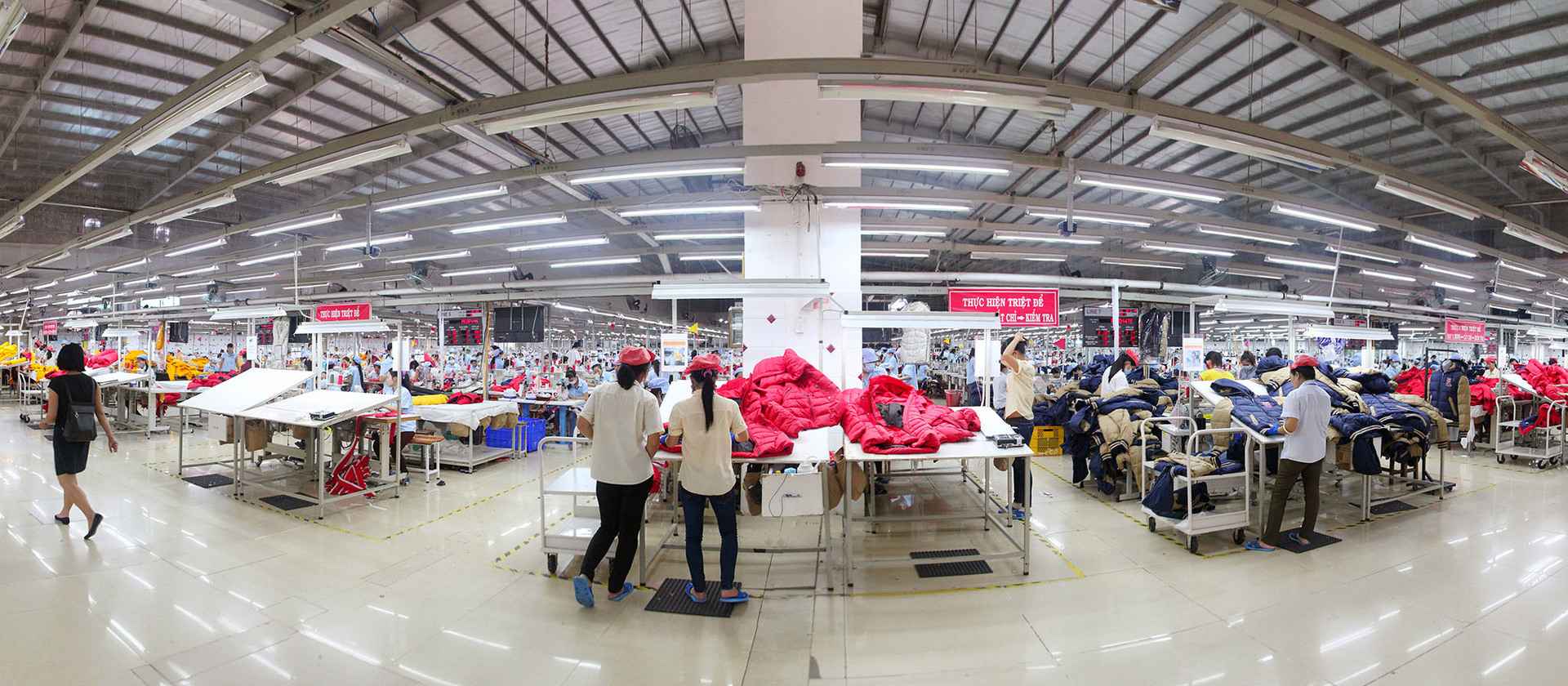
Responsibility for improved working conditions is shared by all the actors in supply chains including global brands, retailers and intermediaries. In 2025, Better Work brought these groups together to drive the process for factories supplying major international brands, meaning fewer overlapping audits and more time to focus on labour rights in practice.
““Better Work is not just a one-time audit. It’s a continuous improvement programme that helps our factory improve with consistent advisory support and training.”
MJ Kim
Compliance Manager, Poong In Vina Co., Ltd. (A Better Work-registered factory)
When shifting tariffs created uncertainty across global supply chains, Better Work Viet Nam converted its factory presence, compliance data and partner relationships into timely intelligence to reduce the adverse impact on investment decisions and employment prospects. The programme conducted factory surveys, convened roundtables, shared updates and coordinated with partners to support joint responses. This helped factories understand risks, maintain business continuity and protect compliance gains, reducing the risk that economic pressures would undermine jobs and working conditions, and confirming Better Work Viet Nam’s role as a trusted coordination platform for sector resilience.

of factories that are fully implementing their collective bargaining agreements (CBAs), supporting effective social dialogue and respect for workers’ rights.

of factories had a functioning OSH Unit or Council, strengthening workplace systems to protect workers’ health and safety.

of factories had an effective grievance handling mechanism, enabling workers’ concerns to be addressed through workplace dialogue.
Partnerships drive Better Work. In 2025, development partners visited Cambodia to experience the programme firsthand – meeting workers, factories, government and industry partners, and seeing how collaboration translates into better workplaces.
Watch the highlights →